
The day before the Winter War: why the Soviet Union cut ties with Finland on 29 November 1939
A diplomatic note delivered in Moscow ended Soviet relations with Finland just as the Finnish government was proposing a peaceful settlement. The invasion followed the next morning.
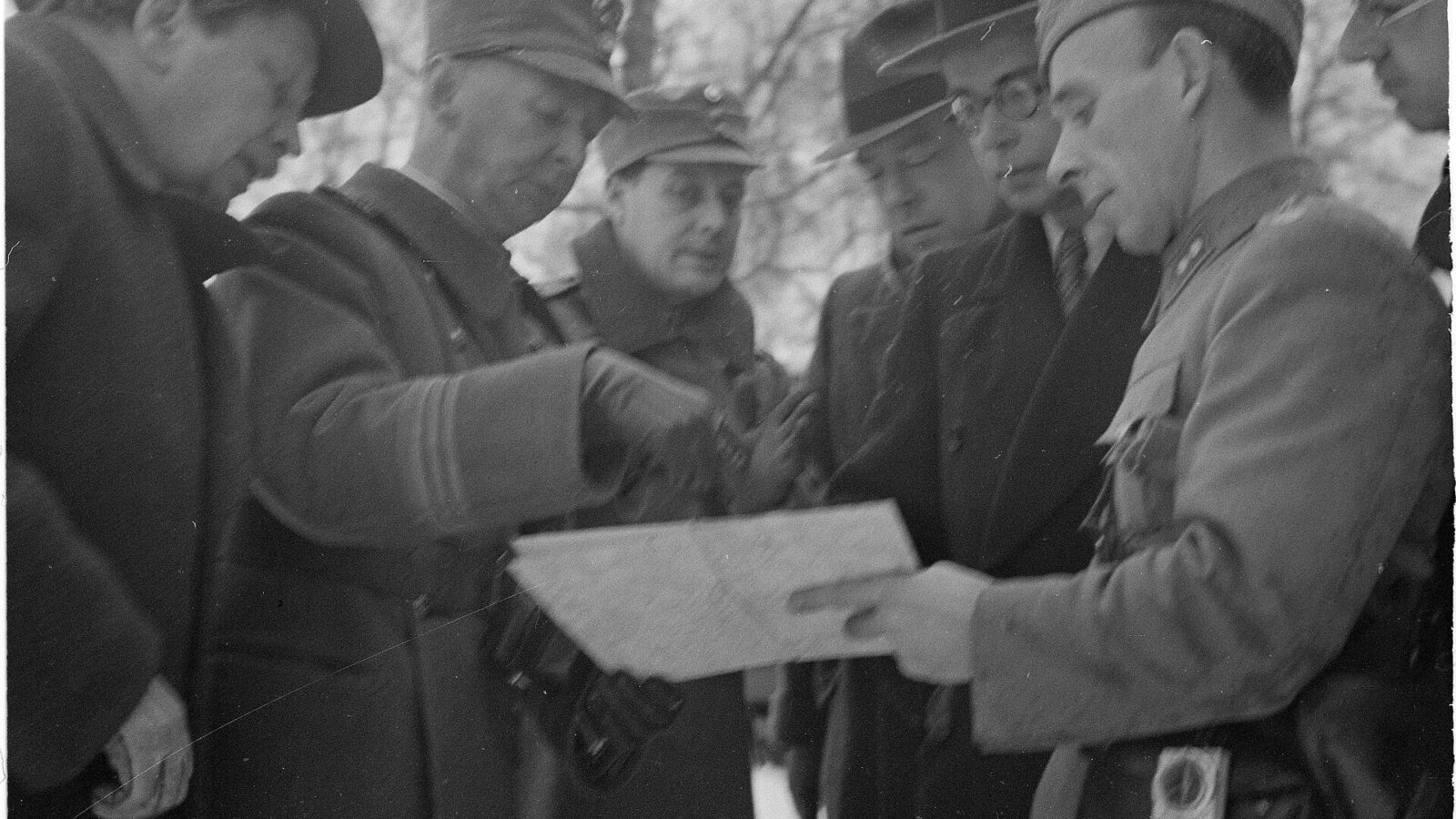
TODAY IN FINNISH HISTORY · 29 NOVEMBER
Watch the English video on Facebook: https://www.facebook.com/reel/2594558154375351
Watch the English video on YouTube: https://youtube.com/shorts/0oYi5PfdKhE
Watch the Finnish video on YouTube: https://youtube.com/shorts/ZNCiWrALs8c
The date most closely associated with the beginning of the Winter War is 30 November 1939. But an important development took place the day before, when the Soviet Union formally broke off diplomatic relations with Finland.
On 29 November 1939, two very different messages passed between the countries. One announced that the Soviet government was ending official relations. The other offered ways to settle the dispute without fighting.
Their contents survive in contemporary diplomatic records, which help explain what happened during the final day before the war.
What Finland was proposing
The Finnish government’s reply, prepared on 29 November, maintained that Finland had not violated Soviet territory. It also contested Moscow’s decision to abandon the countries’ non-aggression pact, an agreement intended to prevent either country from attacking the other.
Finland proposed invoking Article 5 of that treaty and convening a joint conciliation commission to consider the disagreement. Alternatively, it was willing to let a neutral third party resolve the dispute through arbitration.
The offer extended to negotiations over moving Finnish defence troops on the Karelian Isthmus farther from Leningrad, excluding frontier guards and customs personnel.
The proposals are preserved in a contemporary American diplomatic telegram reproducing Finland’s reply.
Moscow’s decision to end relations
That evening, Finland’s envoy in Moscow, Aarno Yrjö-Koskinen, received a formal diplomatic note issued in the name of Soviet Foreign Affairs Commissar Vyacheslav Molotov.
The official who actually handed it over was Molotov’s deputy, Vladimir Potemkin. The distinction is documented in a telegram sent on 29 November by Walter Thurston, the American chargé d’affaires in Moscow, reporting information supplied by the Finnish legation.
The Soviet note claimed that Finnish attacks against Soviet troops were continuing on the Karelian Isthmus and at other points along the frontier. It held the Finnish government responsible and announced that Soviet representatives would be recalled from Finland.
These were accusations made by the Soviet government, not established acts of aggression by Finland.
How the Mainila incident became a diplomatic crisis
Three days before the rupture, on 26 November, the Soviet Union accused Finland of shelling Soviet territory near Mainila, a village close to the border. Finland denied responsibility and called for a joint investigation.
The incident was subsequently acknowledged as a Soviet fabrication, as Finland’s public broadcaster Yle explains in its historical coverage.
On 28 November, the Soviet government unilaterally repudiated the non-aggression pact. Its decision to end diplomatic relations followed on 29 November.
Why the distinction between the two dates matters
Even after the Soviet announcement, the Finnish reply was accepted by the Soviet foreign affairs authorities that night. A further American telegram dated 30 November recorded its receipt but reported that no response had been given.
The following morning, the Soviet Union invaded Finland without a declaration of war. Helsinki was also bombed. The Winter War had begun (Yle’s historical account).
The events of 29 November matter because they mark the formal breakdown of diplomatic relations, not the beginning of the fighting. They also show that Finland was still offering a negotiated settlement when the Soviet government chose to sever ties.
Read also
Report an error · Discuss on Facebook @arkisuomi
Publisher: Arki Suomi · About us and the newsroom · Contact