
Finland updates food recommendations for families: less milk, more vegetables and less red meat
Finland's new food recommendations for families cut liquid milk products for 7–17-year-olds to 3–5 dl a day, raise vegetables to 500–800 g for adults and cap red meat at 350 g a week. Daycare, school meals and neuvola advice all follow them.
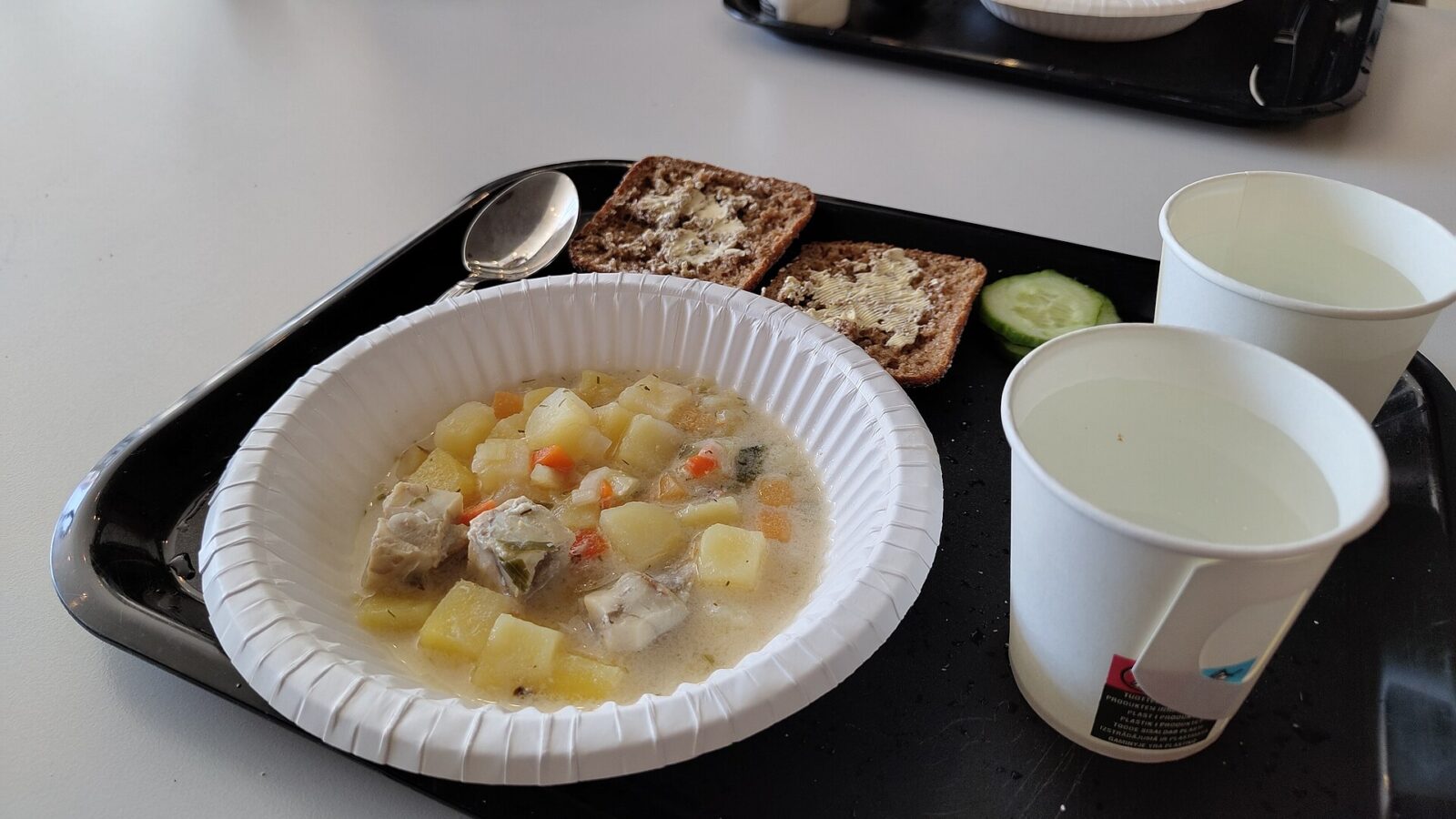
Finland has updated its dietary recommendations for families with children, encouraging lower milk consumption, more vegetables, fruit and berries, and less red meat. The Finnish Institute for Health and Welfare (THL) and the National Nutrition Council published the new guidelines on Friday, 27 November 2026. They are dietary recommendations, not laws or compulsory rules, and no food is being banned.
Key figures
- 300–500 ml: Recommended daily amount of liquid milk products for children aged 7–17, down from 500–600 ml.
- 500–800 g: Recommended daily amount of vegetables, fruit and berries for adults.
- 350 g: Recommended maximum weekly amount of cooked red meat for adults, down from 500 g.
- 2–3 times a week: Recommended frequency of eating fish for the whole family.
The updated guidelines, known in Finnish as Syödään yhdessä (Eating Together), are now in their third edition. They are based on the 2023 Nordic nutrition recommendations and Finland’s 2024 national nutrition recommendations.
The previous edition was published in 2016 and updated in 2019. The guidelines cover nutrition from before pregnancy through childhood and adolescence to the threshold of adulthood.
Children are recommended to consume less milk
One of the most notable changes concerns how much milk and other liquid dairy products children should consume each day.
For children aged 7–17, the recommended daily amount has decreased from 500–600 millilitres to 300–500 millilitres, depending on their age.
The reason for the change is that consuming too much milk can leave less room in a child’s diet for other sources of nutrients.
The updated daily recommendations are:
| Age group | Recommended daily amount |
|---|---|
| 1–3 years | 200–300 ml |
| 4–10 years | 300–400 ml |
| 11–17 years | 400–500 ml |
| Adults | 350–500 ml |
These amounts cover liquid milk products, including milk, buttermilk and yoghurt.
Milk remains part of Finland’s dietary recommendations. For school-age children, the change represents a moderation of roughly one decilitre per day, rather than a move away from dairy products altogether.
More vegetables, fruit and berries at every meal
The new guidelines place greater emphasis on plant-based foods in everyday family meals.
Adults are encouraged to eat 500–800 grams of vegetables, fruit and berries daily, equivalent to five to nine portions. The previous recommendation was approximately 500 grams, or five to six portions.
Children should also eat five to nine portions a day, with each portion roughly the size of the child’s own hand.
Families are encouraged to include vegetables, fruit or berries at every meal and to eat more whole grains and legumes, such as beans, peas and lentils.
Less red meat, more fish and legumes
The recommended maximum amount of red meat for adults has been reduced from 500 grams to 350 grams per week.
The new limit refers to cooked meat and corresponds to approximately 500 grams of raw meat. Adults are advised to eat red meat at no more than two meals per week.
For preschool-aged children, the recommended amount is approximately half the adult amount.
The guidelines encourage families to replace some red meat with fish and legumes rather than poultry.
Fish is recommended two to three times a week for the whole family, with different fish species included in the diet.
What about plant-based milk alternatives?
Fortified plant-based drinks and yoghurts, including soy and oat products, are covered by the same general daily quantity recommendations as liquid dairy products.
Parents should check product packaging to ensure that the alternative is fortified.
There is also specific guidance on plant-based drinks:
- For children aged 1–6, soy drinks should not exceed 300 ml per day.
- Oat drinks should be consumed in amounts below 600 ml per day.
- Rice drinks are not recommended for regular consumption by any age group.
These are recommendations on consumption, not prohibitions.
What else is new?
The updated guidelines also address children’s relationship with food and the importance of respecting their natural hunger and fullness signals.
Children do not have to finish everything on their plates. Their own sense of hunger and fullness should be respected.
The recommendations also state that nuts and seeds should not be avoided simply as a precaution against developing allergies.
New chapters cover vegan diets, food education, the health and environmental impacts of food, and eating disorders.
What this means for you
For parents living in Finland, these recommendations are relevant both at home and in public services.
Daycare and school meals follow national nutrition recommendations. School meals in Finland are provided free of charge.
The guidelines also inform dietary advice at neuvola, Finland’s free maternity and child health clinics used by families with children.
At home, parents can start by checking the recommended daily milk intake for their child’s age and offering vegetables, fruit or berries at every meal.
There is no need to change the entire family’s diet overnight. Milk and red meat can still be part of family meals. The updated recommendations encourage moderation, variety and a greater share of plant-based foods in everyday eating.
Read also
Last posting dates for Christmas 2026 in Finland: cards, letters and parcels
29 minutes ago
Generative AI in Finland: 58% of people now use it as adoption rises sharply
1 hour ago
Report an error · Discuss on Facebook @arkisuomi
Publisher: Arki Suomi · About us and the newsroom · Contact