
Electricity prices explained: what makes up the bill — and what will the winter of 2026–27 bring?
The final amount of your electricity bill can be a surprise, even if your electricity contract seems affordable. The reason is simple: the sales price of electricity is only one part of the whole. You can roughly shop around for about a third of your electricity bill, as electricity transmission…
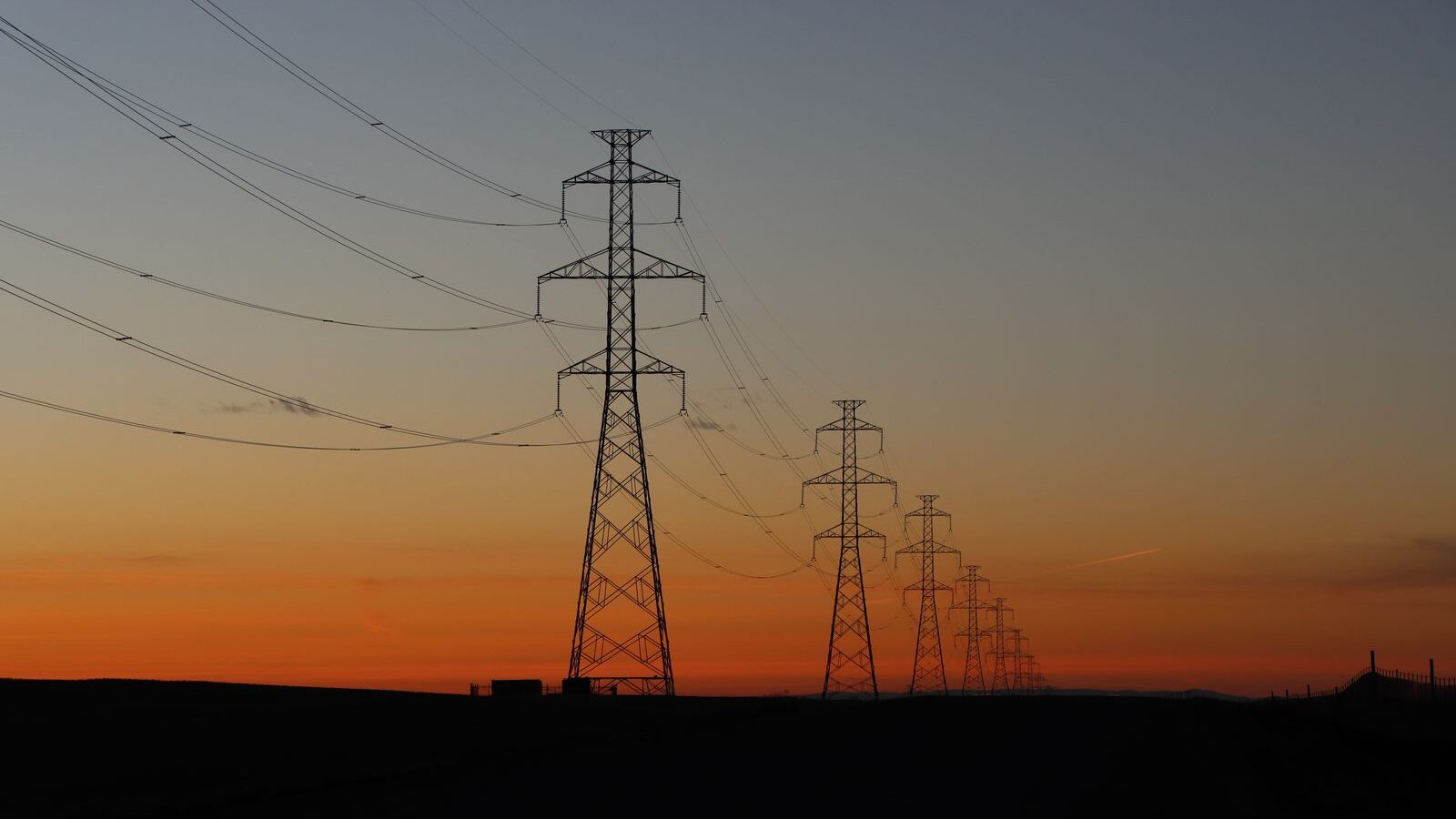
The final amount of your electricity bill can be a surprise, even if your electricity contract seems affordable. The reason is simple: the sales price of electricity is only one part of the whole. You can roughly shop around for about a third of your electricity bill, as you pay for electricity transmission and taxes regardless of your electricity supplier.
It is worth paying special attention to the price in the winter of 2026–27. Based on mid-November futures prices, the market expects electricity to be significantly more expensive during the winter months than in October. However, this is a forecast, not a certainty about future prices.
What makes up an electricity bill?
In Finland, a household's electricity bill consists of three main parts:
- Electricity energy, about 40 %: the price of electricity purchased from an electricity supplier. This is the only part you can shop around for.
- Electricity transmission, about 30 %: the fee for delivering electricity to the place of use via the local electricity grid.
- Taxes, about 30 %: electricity tax and value-added tax.
The distribution presented by the Energy Authority is indicative, and the proportions vary by household. In Statistics Finland's June 2026 price statistics, the total price of electricity for a household consuming 5,000–15,000 kilowatt-hours of electricity per year was 17.91 cents per kilowatt-hour:
| Part of the electricity bill | Price in June 2026 |
|---|---|
| Electricity energy excluding VAT | 6.48 snt/kWh |
| Electricity transmission excluding VAT | 5.47 snt/kWh |
| Electricity tax and VAT | 5.96 snt/kWh |
| Total price | 17.91 snt/kWh |
The total price was about 9–10 percent higher than a year earlier.
Why can't electricity transmission be shopped around?
You can choose your electricity supplier freely, but the electricity network company in your residential area is responsible for electricity transmission. There are 77 electricity distribution companies operating in Finland, whose activities are supervised by the Energy Authority. Electricity distribution is a local monopoly, so you cannot change the network company.
A household usually receives two separate bills: an electricity energy bill from the electricity supplier and an electricity transmission bill from the network company. For customers of a local electricity supplier, joint billing may also be possible.
How much electricity tax is paid in 2026?
Households belong to electricity tax category I. From the beginning of April 2026, the electricity tax is calculated according to the Tax Administration's tax table as follows:
| Part of the tax | Price excluding VAT |
|---|---|
| Electricity energy tax | 2.24 snt/kWh |
| Security of supply fee | 0.085 snt/kWh |
| Total | 2.325 snt/kWh |
Including VAT, the total amount of electricity tax and security of supply fee is about 2.92 cents per kilowatt-hour. The security of supply fee increased on April 1, 2026, from the previous 0.013 cents to 0.085 cents per kilowatt-hour. The actual energy tax has remained unchanged since 2015. The total tax according to the industrial electricity tax category II is 0.135 cents per kilowatt-hour before VAT.
Electricity tax is collected in connection with the electricity transmission bill. The 25.5 percent VAT in force since the beginning of September 2024 applies to electricity energy, electricity transmission, and also the electricity tax itself.
How is the price of exchange-traded electricity determined?
Finland forms one price area in the Nord Pool power exchange. The prices for the following day are published in the afternoon, usually between 1 p.m. and 3 p.m. Since the beginning of October 2025, prices have been determined in 15-minute intervals instead of the previous hourly prices.
According to the Energy Authority, the average wholesale price of electricity in Finland in 2025 was 40.48 euros per megawatt-hour, or about 4.0 cents per kilowatt-hour before VAT. In October 2026, the average price of exchange-traded electricity was about 4.77 cents per kilowatt-hour. In November, the fluctuations have been significant: on November 11, 2026, the daily average price was 22.4 snt/kWh and on November 22, 2026, only 0.9 snt/kWh.
In addition to the market price, an exchange-traded electricity customer pays the electricity supplier's margin, which in October 2026 had a median of about 0.6 cents per kilowatt-hour. The contract usually also includes a monthly basic fee. You can check the up-to-date price on Arki Suomi's electricity price page.
Electricity prices in winter 2026–27: what does the market expect?
Electricity market futures prices give an idea of what price level is expected for the coming months. According to the market review published by Herrfors on November 16, 2026, the winter futures prices were as follows (situation on November 13, 2026):
| Period | Electricity futures price |
|---|---|
| December 2026 | 11.77 snt/kWh |
| January–March 2027 | 14.14 snt/kWh |
The prices include 25.5 percent VAT, but not the electricity supplier's margin, electricity transmission, or separately charged electricity tax. The level expected by the market is clearly higher than in October: the expected price for January–March is about three times higher compared to the average price of exchange-traded electricity in October. The price expectation has also risen during the autumn — at the beginning of September, the futures price for January–March was 12.50 cents per kilowatt-hour, which is an increase of about 13 percent.
Does this mean the electricity bill will triple?
Not directly. Futures prices describe the expected price of electricity energy, not the entire electricity bill. However, an exchange-traded electricity customer's bill can increase significantly if the price rises at the same time as home consumption increases — especially in electrically heated detached houses. Futures also do not guarantee the future level: the actual price is affected by factors such as cold spells, wind conditions, and the availability of power plants.
What kind of electricity contract should you choose?
| Contract type | Price determination | Who is it for? | Things to note |
|---|---|---|---|
| Exchange-traded electricity | Follows the market price in 15-minute intervals | Households that can shift consumption to cheap hours | Historically the cheapest in the long run, but bills fluctuate strongly |
| Fixed-term fixed-price | Price locked for the contract period (typically 12–24 months) | Those who want predictability and a stable budget | The contract usually cannot be terminated mid-term without costs |
| Indefinite | Price can change upon notice by the seller | Those who want flexibility | The customer can terminate the contract with a two-week notice period |
You can compare contracts on the Energy Authority's official Sähkönhinta.fi service. Changing electricity supplier is free of charge, and the new supplier handles the switch. It is advisable to make a new contract at least about two weeks before the desired start date.
How much does electricity cost in an apartment building and a detached house?
The importance of the electricity price depends primarily on consumption. The following examples are calculated with a total price of about 18 cents per kilowatt-hour:
| Apartment | Electrically heated detached house | |
|---|---|---|
| Annual consumption | 2,500 kWh | 18,000 kWh |
| Total annual electricity price | 450 € | 3,240 € |
| Average per month | 37.50 € | 270 € |
| Impact of a one-cent price difference per year | 25 € | 180 € |
The figures are calculated examples, not forecasts of winter bills. If the taxable price of electricity energy is one cent cheaper, an apartment resident saves 25 euros per year with the consumption in the example, and a resident of an electrically heated detached house saves 180 euros. Therefore, the euro-denominated benefit of shopping around is most significant in households that use a lot of electricity.
Frequently asked questions
Why is the electricity bill high even though exchange-traded electricity is cheap?
The exchange price covers only the market price of electricity energy. In addition, the supplier's margin, any basic fee, electricity transmission, and taxes are paid.
Can you change the electricity transmission company?
No. The regional network company is responsible for electricity transmission. You can only shop around for the contract offered by the electricity supplier.
How much is the household electricity tax?
From the beginning of April 2026, the electricity tax including the security of supply fee is 2.325 cents per kilowatt-hour excluding VAT, i.e., about 2.92 cents including VAT.
Will electricity definitely become more expensive in the winter of 2026–27?
Not necessarily. November futures prices point to a higher level, but the actual price depends on weather conditions and production availability.
Is a fixed-price contract always cheaper than exchange-traded electricity in winter?
No. A fixed-price contract protects against fluctuations, but the final affordability depends on the agreed price and the actual exchange prices. Its key advantage is predictability.
Sources
- Energy Authority — formation of electricity prices and electricity markets, energiavirasto.fi
- Tax Administration — electricity tax tables
- Statistics Finland — electricity price statistics, June 2026, stat.fi
- Herrfors — market review 16.11.2026, status of futures prices 13.11.2026
Information checked in November 2026. Winter price outlooks are based on the market situation prevailing on 13.11.2026 and may change.
Read also


Report an error · Discuss on Facebook @arkisuomi
Publisher: Arki Suomi · About us and the newsroom · Contact