
What you should never give to dogs and cats – medicines, chocolate, and other dangers
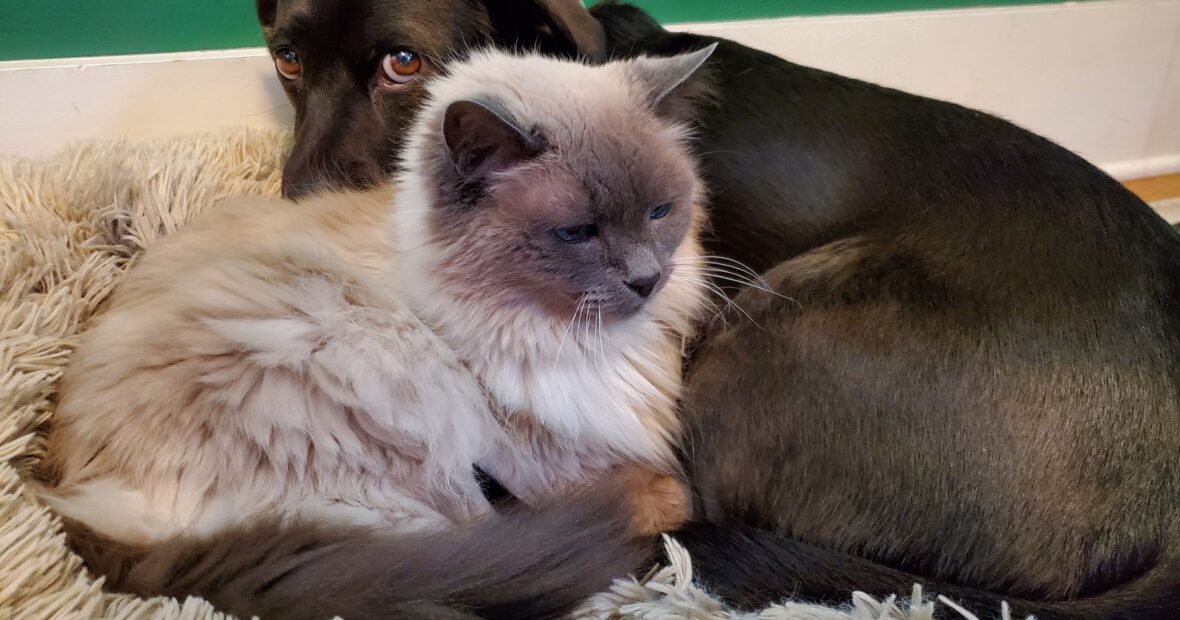
Short answer: you should never give dogs and cats human painkillers, chocolate, products containing xylitol, grapes or raisins, or onions or garlic. You must also never apply a tick treatment intended for dogs to a cat. All of these are found in a typical home, which is exactly why they cause poisoning cases familiar to veterinarians every year. If your pet has already eaten something on the list, do not wait to see what happens at home — call a veterinarian or veterinary emergency clinic immediately.
Can you give a pet Burana or Panadol?
Never on your own. Painkillers intended for humans are a common cause of poisoning in pets, even when the intention is good. Paracetamol, the active ingredient in Panadol, is lethally dangerous to cats: it weakens the blood's ability to carry oxygen, and even a small amount can cause poisoning. For dogs, too, paracetamol is harmful if dosed incorrectly and can damage the liver.
Ibuprofen — familiar from Burana and Ibumax — damages the digestive tract and kidneys in dogs and cats. It can cause vomiting, diarrhea, bloody stools, and stomach ulcers, and in the worst case, kidney damage. The same warning applies to other human anti-inflammatory drugs and acetylsalicylic acid. Pets have their own painkillers developed for animals, and the dose is always assessed by a veterinarian. So, take a pet in pain to the clinic, not the medicine cabinet.
Why is chocolate dangerous?
The theobromine contained in chocolate is toxic to dogs and cats because their bodies break it down very slowly. The darker the chocolate, the more theobromine it contains — baking chocolate and dark chocolate are the most dangerous, but milk chocolate can also poison a small dog in particular.
Symptoms of chocolate poisoning include vomiting, diarrhea, restlessness, increased drinking and urination, tremors, and heart arrhythmias. In serious cases, it can lead to seizures, and in the worst case, chocolate can be life-threatening to a pet. Because the dangerous amount depends on the darkness of the chocolate and the size of the animal, you should always verify any chocolate consumption with a veterinarian by phone — for a small dog, even a few pieces of dark chocolate can be too much.

Why is xylitol life-threatening to dogs?
Xylitol, or birch sugar, is everywhere in Finnish homes: in chewing gums, lozenges, toothpaste, and many sugar-free products. For dogs, it is one of the most dangerous substances. Xylitol causes the dog's body to release insulin rapidly, which causes blood sugar to drop dangerously low. According to Agria, as little as 0.1 grams of xylitol per kilogram of body weight can lower a dog's blood sugar dangerously, and 0.5 grams per kilogram or more can also cause liver damage. In practice, a few pieces of chewing gum or lozenges can be enough for a small dog.
Initial symptoms include vomiting, fatigue, weakness, and tremors, and they can start quickly after ingestion. Symptoms of liver damage, on the other hand, may not appear until the first few days, so even an asymptomatic dog is not safe — if a dog has managed to get hold of xylitol products, contact a veterinarian immediately. Xylitol is most dangerous to dogs, but in the case of a cat, suspicion is always a reason to call a veterinarian. Chewing gums and lozenges should be kept in a cabinet in households with dogs, not in a handbag or coat pocket where a curious nose can find them.
Grapes and raisins – why is even a small amount a risk?
Grapes and raisins can cause sudden kidney damage and kidney failure in dogs. The dangerous amount is unknown: some dogs get sick from even a small amount, and there is no way to know in advance how your own dog will react. Therefore, not a single grape should be given even as a taste, and a raisin that has fallen on the floor should be picked up immediately.
Raisins often hide in buns, pastries, and muesli, so they should also be kept out of reach of pets. Grapes and raisins can also cause serious illness in cats, so the rule is the same for both: no grapes, no raisins, no exceptions.
Can a pet eat onion or garlic?
No. Onion and garlic — and other allium plants like leeks — damage the red blood cells of dogs and cats and can cause anemia. They are dangerous in all forms: raw, cooked, dried, and as powder. Cats are even more sensitive to onions than dogs.
What makes onions tricky is that symptoms of anemia may not appear until a few days after ingestion. An owner may not necessarily connect fatigue and paleness to Saturday's leftovers. The hidden risk is precisely human food: meatballs, sauces, soups, and other seasoned foods often contain onion or onion powder. Do not give pets leftovers from the table, even if they ask — their own food is the safest for them.
Why must a dog's tick treatment not be used on a cat?
Many tick and external parasite treatments intended for dogs contain permethrin. For a dog, the substance is safe when used according to the instructions, but a cat's body cannot break it down. For a cat, permethrin can cause severe tremors, seizures, and in the worst case, death. Therefore, a dog's product must not be used on a cat, not even in a small dose or "half-dosed".
Only use a product intended for cats, and always check the animal species on the package before use — even when there is both a dog and a cat in the household and the products are in the same box. If a dog's product has been accidentally applied to a cat or a cat has licked a recently treated dog, call a veterinarian immediately, even if no symptoms are visible yet.
A pet ate something dangerous – what should I do?
Call your own veterinarian or the regional veterinary emergency clinic immediately. Tell them what the pet has eaten, how much, and when, as well as how much the pet weighs. Take the product packaging with you to the clinic or keep it at hand during the call — the active ingredient and its amount determine the treatment.
Do not induce vomiting in your pet on your own and never use salt to induce vomiting: it can worsen the situation and be life-threatening, especially for a cat. A veterinarian will assess over the phone whether it is worth inducing vomiting and will do so at the clinic if necessary. Also, do not wait for symptoms to appear, as the symptoms of many poisonings only start after hours, and, for example, kidney damage can develop over a day or two. Also note that the human Poison Information Center does not provide advice on animal poisonings — for pet matters, always call a veterinarian.
Prevention is ultimately simple: keep medicines in a locked cabinet, keep chewing gums and chocolates off surfaces, keep grapes and raisins out of reach of pets, and keep tick treatments sorted according to which animal they belong to. With these four habits, most pet poisonings will never happen.
Read also
Read next in the same section
Koiran rekisteröinti Ruokaviraston koirarekisteriin — määräajat ja miten teet senReport an error · Discuss on Facebook @arkisuomi
Publisher: Arki Suomi · About us and the newsroom · Contact