
Vitamin D in winter — what does THL recommend?
In Finland, a vitamin D supplement of 10 micrograms (µg) per day is recommended for 18–74-year-olds from October to March, if enough vitamin D is not obtained from food. Therefore, not all adults need a supplement in winter. For children from two weeks of age…
In Finland, a vitamin D supplement of 10 micrograms (µg) per day is recommended for 18–74-year-olds from October to March, if enough vitamin D is not obtained from food. Therefore, not all adults need a supplement in winter. For children from two weeks of age, pregnant women, breastfeeding women, and those aged 75 and over, a supplement is recommended year-round, but the dose depends on the group.
In a nutshell
- 18–74-year-olds: 10 µg supplement per day from October to March, if not enough vitamin D is obtained from food.
- Children from two weeks of age, as well as pregnant women, breastfeeding women, and those aged 75 and over: supplement year-round according to the table below.
- The upper limit for safe total intake for adults is 100 µg per day. This is not a target dose.
Do I need a vitamin D supplement in the Finnish winter?
In Finland, the skin produces vitamin D through sunlight mainly from spring to autumn, most during the summer months. In winter, intake from food becomes more important. If your diet includes vitamin D-fortified dairy products or fat spreads daily and fish 2–3 times a week, an 18–74-year-old usually does not need a separate winter supplement. The national recommendation is a 10 µg supplement per day from October to March if these sources are not used sufficiently.
The Finnish Food Authority recommends a daily supplement of 10–20 µg for those who spend very little time outdoors, dress in a way that covers the skin, and those with dark skin, if the diet contains few vitamin D-fortified products or fish. In a vegan diet, special attention must be paid to vitamin D intake. Fortified plant-based drinks are one source.
Vitamin D contributes to the normal absorption and utilization of calcium and phosphorus and to the maintenance of normal bones and teeth. It also contributes to the normal function of muscles and the immune system. These are EU-approved health claims for vitamin D.
How much vitamin D is recommended for different age groups?
Total intake and the dose of a dietary supplement are different things. Total intake includes vitamin D obtained from both food and supplements. For example, the total intake recommendation for 2–17-year-olds is 10 µg per day, but the recommendation for a separate supplement is 7.5 µg.
| Group | Recommended total daily intake | Recommended daily vitamin D supplement |
|---|---|---|
| Infants from 2 weeks to under 1 year | 10 µg | 2–10 µg year-round, see below |
| 1-year-olds | 10 µg | 10 µg year-round |
| 2–17-year-olds | 10 µg | 7.5 µg year-round |
| 18–74-year-olds | 10 µg | 10 µg from Oct to March, if intake from food is low |
| 75 years and older | 20 µg | 10–20 µg year-round |
| Pregnant and breastfeeding women | 10 µg | 10 µg year-round |
For infants, the specific recommendation from THL and the National Nutrition Council is 10 µg per day if the infant is exclusively breastfed or receives less than 500 ml of infant formula or follow-on formula per day. If the amount is 500–800 ml, the supplement is 6 µg. If the amount exceeds 800 ml, the supplement is 2 µg. Vitamin D-fortified children's porridges and gruels are also included in the amount. You can check with your local maternity clinic how the guidance applies to your baby's feeding.
For those aged 75 and over, a 10 µg supplement may be sufficient if the diet regularly includes plenty of vitamin D-fortified dairy products or plant-based products, fat spreads, and fish. The Finnish Food Authority recommends a 20 µg supplement year-round when the diet lacks fortified dairy or plant products and fish, and time spent outdoors is minimal.
Which foods contain vitamin D?
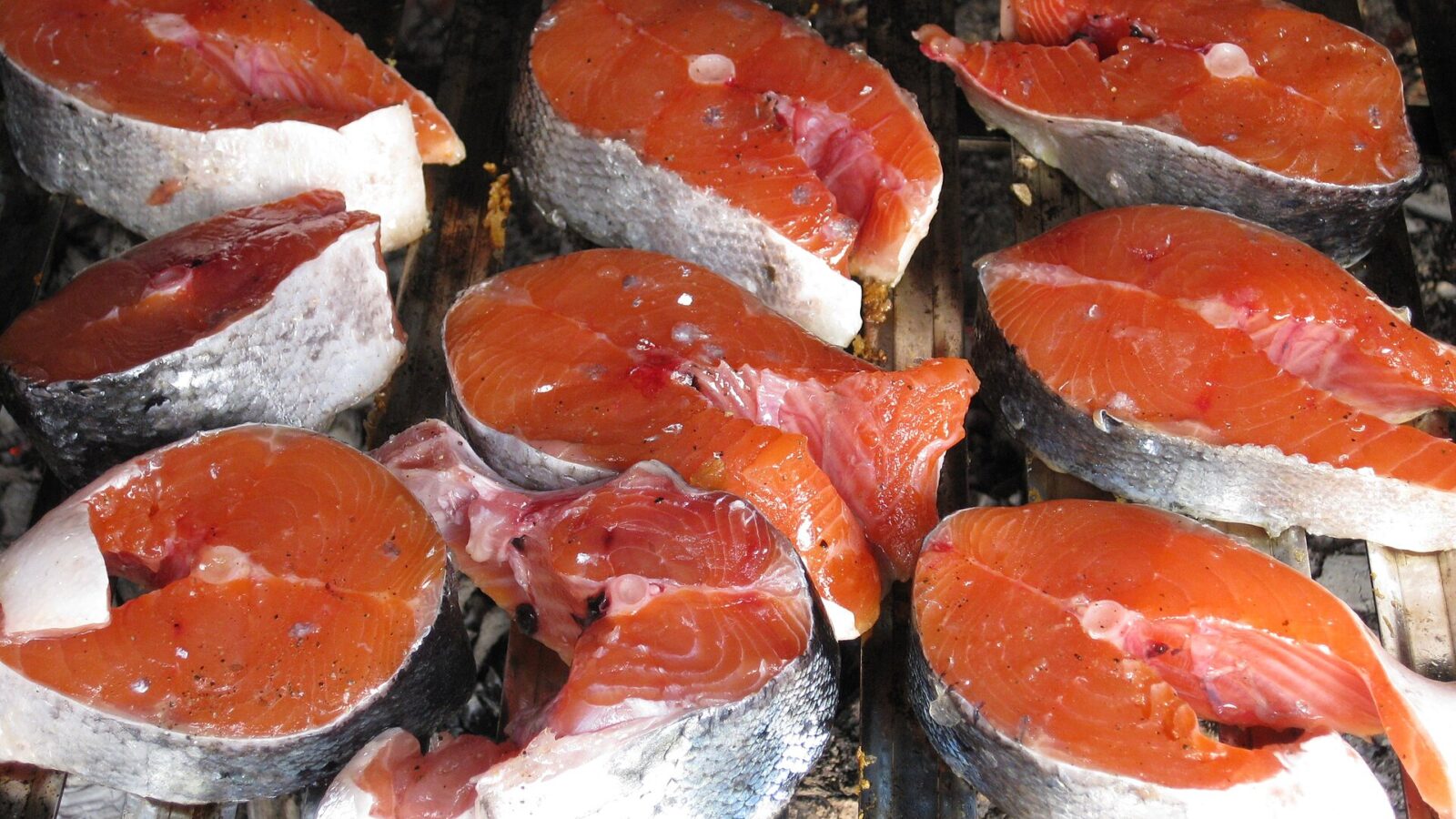
Fish is a natural source of vitamin D. Among fatty fish, salmon, Baltic herring, vendace, and rainbow trout are the best, and roe and egg yolk also contain vitamin D. In Finland, other key sources are vitamin D-fortified milk, sour milk, yogurt, and fat spreads, as well as fortified plant-based drinks, such as some oat and soy drinks. Not all products in the same product category are fortified, so it is worth checking the vitamin D amount on the packaging.
The National Nutrition Council recommends, for example, fortifying milk and equivalent plant-based drinks with 1 µg of vitamin D per 100 milliliters. In this case, a two-deciliter glass provides 2 µg. The corresponding fortification recommendation for spreadable dietary fats is 20 µg per 100 grams. This does not apply to butter.
D3 or D2 — and in what form should the supplement be taken?
Most products sold in Finland are vitamin D3, i.e., cholecalciferol. Traditionally, D3 has been made from sheep's wool lanolin, but vegan vitamin D3 made from lichen is also available. Vitamin D2, i.e., ergocalciferol, is obtained from yeast and mushrooms and is suitable for a vegan diet. Both forms raise blood vitamin D levels, but studies show that D3 raises and maintains levels on average more effectively than the same dose of vitamin D2. If the origin of the product is important to you, check the packaging to see if the product is D3 or D2 and what it is made from.
There are several product forms. Oil-based drops and capsules are the most common form, and they are also given to infants. Chewable tablets and lozenges are suitable for those who find swallowing tablets difficult, and a spray is an option for children, for example. More important than the form is the correctness of the dose and regular use. With drops, it is worth checking how many micrograms one drop contains — the microgram amount on the front of the package may refer to a dose of several drops.
Vitamin D is fat-soluble, so it is best absorbed in connection with a meal containing fat. Therefore, take the supplement with food, not on an empty stomach with just water.
What about vitamin K2?
Vitamin K2 is often sold together with vitamin D, and combination products are marketed actively. There are two main forms of vitamin K2: MK-4, which is found in animal-based foods such as liver, egg yolk, and butter, and MK-7, which is produced in fermentation — it is found especially in Japanese natto soy food and in smaller amounts in some cheeses.
In the EU, two health claims have been approved for vitamin K2: it contributes to normal blood clotting and the maintenance of normal bones. However, the claim that K2 directs calcium to the bones and away from blood vessels is not an approved health claim in the EU, and there is no Finnish intake recommendation for a K2 supplement. The recommended dose of vitamin D does not require a K2 supplement. If you use a blood thinner, such as warfarin (Marevan), you should not start a K2 supplement on your own, because vitamin K affects blood clotting and the efficacy of the medication — discuss this with your doctor first. There is a separate, more thorough article about vitamin K2 in Arki Suomessa.
How much does a vitamin D supplement cost in Finland?
Below are online-reported package prices checked on 20.11.2026. Shipping costs are not included in the prices. Prices may vary by store. These are price examples, not product or dosage recommendations.
| Product and package size | Seller | Price |
|---|---|---|
| Coop Vitamin D 10 µg, 120 chewable tablets | S-kaupat | approx. 2.35 € |
| Pirkka Vitamin D3 20 µg, 120 tablets | K-Citymarket Iso Omena | 3.55 € |
| Moomin Vitamin D drops 10 µg, 10 ml | S-kaupat | approx. 4.79 € |
| Minisun Vitamin D 10 µg, olive oil drops 10 ml | Yliopiston Apteekki | 5.90 € (normal price) |
| DeviSol 20 µg, 230 lozenges | Yliopiston Apteekki | 17.50 € (normal price) |
The package price does not yet tell you what the same amount of vitamin D costs. With tablets, it is worth comparing the number of pieces and the strength, and with drops, how much vitamin D one drop contains. The prices of pharmacies' own products are in the same price range: for example, a 100-tablet package of DeviSol 10 µg cost about 6–8 € at the time of checking.
Can you get too much vitamin D?
Yes. The upper limit for safe total daily intake is 100 µg for adults and 11–17-year-olds, and 50 µg for 1–10-year-olds. In the national nutrition recommendations table, the upper limits for infants are 25 µg at 0–6 months of age and 35 µg at 7–11 months of age. The upper limit applies to the total amount obtained from food and supplements, and it is not a recommended dose.
Prolonged excessive intake can raise blood calcium levels and damage the kidneys. If you use several dietary supplements, check whether, for example, a multivitamin or calcium supplement already contains vitamin D. One 100 µg tablet alone corresponds to the upper limit of an adult's total intake.
This article provides general information and does not replace individual healthcare advice. If you have a medical condition or take medication, verify the suitability of the product with your own doctor or pharmacist before use.
What sources is the guide based on?
- THL and the National Nutrition Council: National Nutrition Recommendations 2024, chapter on vitamin D.
- Finnish Food Authority: Vitamin D intake, infant supplement dosage, and food fortification.
- Fimea and EUR-Lex: risks of excessive intake, drug interactions, and EU-approved health claims (Commission Regulation (EU) No 432/2012).
Read also



Read next in the same section
Vitamin K2: MK-4 vs. MK-7, food sources, and who should take a supplementReport an error · Discuss on Facebook @arkisuomi
Publisher: Arki Suomi · About us and the newsroom · Contact