
Debt adjustment in Finland (velkajärjestely): who qualifies, how to apply and how long the payment programme lasts
Velkajärjestely is Finland's court-confirmed last resort for unmanageable debt: a payment programme of normally 3 years, after which covered debts are settled. Eligibility, barriers and the process.
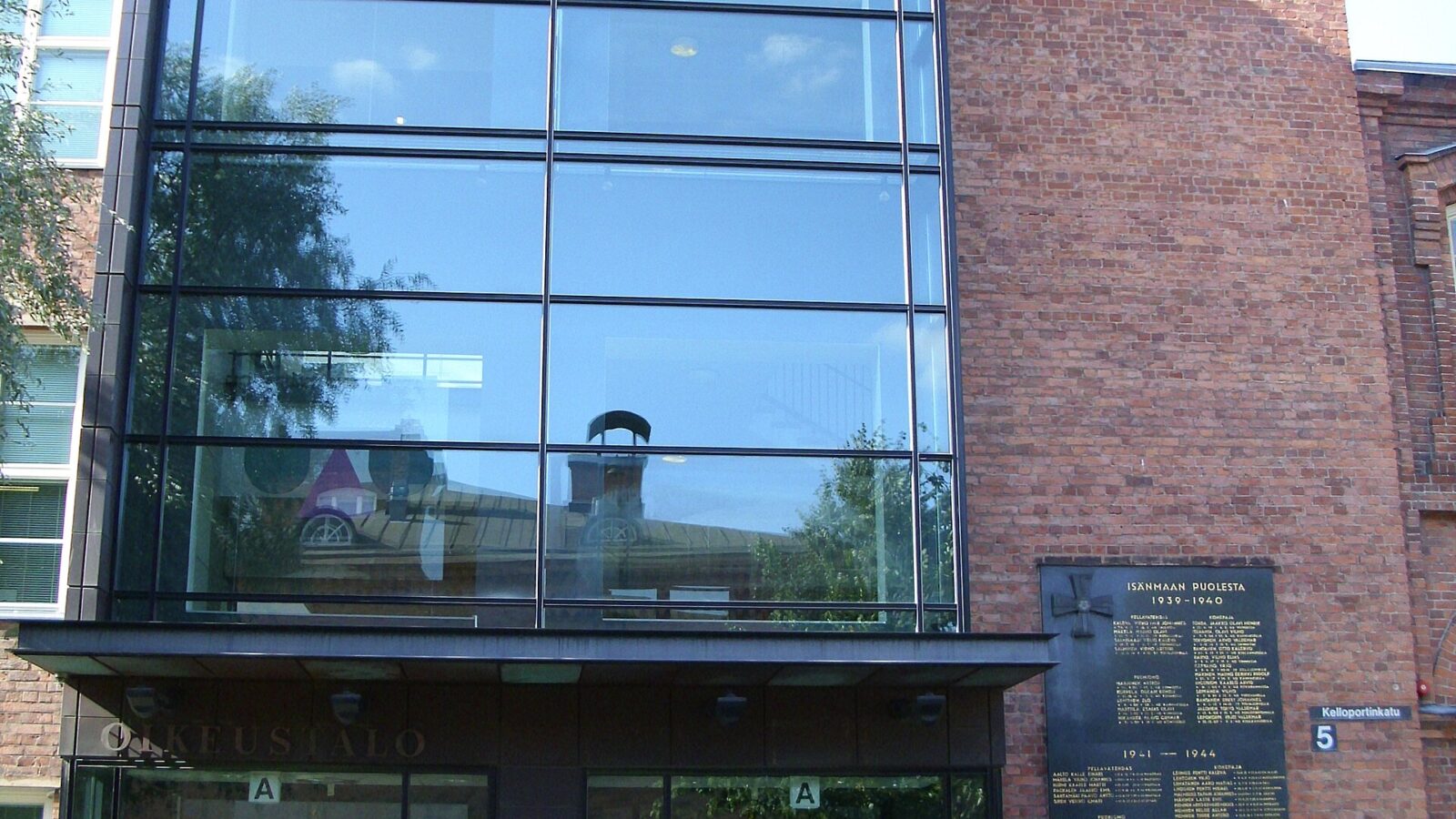
If your debts have grown beyond what you can ever repay, Finland has a legal exit: debt adjustment (velkajärjestely), a payment programme confirmed by a district court. Complete the programme — normally three years — and the debts it covers are settled for good, even if you repaid only part of them. It is strictly a last resort, and the way in starts with free debt counselling, not a court form.
Debt adjustment is not enforcement
Two Finnish terms are easy to confuse. Enforcement (ulosotto) is compulsory collection of individual debts. Debt adjustment (velkajärjestely), under the Act on the Adjustment of the Debts of a Private Individual (57/1993), restructures your whole debt situation at once. Your debts do not need to be in enforcement to apply, and you can apply while unemployed. Before the court route, lighter options must be checked first: negotiated settlements with creditors, payment plans, and a consolidation loan guaranteed by the Guarantee Foundation (Takuusäätiö).
One rule surprises many people: every debt incurred before the adjustment begins must be included — you cannot leave out a loan from a relative or any other single debt. Debts to private individuals count exactly like bank loans.
Who qualifies — and what can block you
You must live in Finland and be insolvent in a way that cannot reasonably be fixed by other means — debts too large for your income, or a lasting drop in payment capacity through illness, incapacity for work or unemployment. There is no minimum debt amount; the court assesses your overall situation.
The Act lists barriers (esteet) that can stop an application:
- your insolvency is only temporary (short unemployment, studies, family leave),
- you became indebted through recklessness,
- a previous debt adjustment programme was confirmed less than about 13 years ago,
- you deliberately weakened your finances or gave false information,
- a payment obligation is based on a crime, or such a case is pending,
- significant business debts where statutory duties were neglected for reasons other than insolvency.
A barrier is not always final: the court may grant adjustment anyway for weighty reasons, weighing the time passed since the debts arose, your health and age, your own efforts to pay, and the significance of the arrangement for you and your creditors.
The process, step by step
- Free financial and debt counselling (talous- ja velkaneuvonta) first. A counsellor maps all your debts, tests the lighter options and helps prepare the application — in practice this is the normal route in.
- Application to the district court (käräjäoikeus) with an account of your indebtedness.
- Statements: the court sends the application to your creditors, co-debtors and guarantors; objections can lead to a hearing.
- Decision and payment programme: the court decides on starting the adjustment and confirms the programme. If no draft programme was attached, the court can appoint an administrator (selvittäjä) to prepare one.
How much you pay: the maksuvara formula
Creditors are paid your monthly payment capacity (maksuvara):
Payment capacity = income − necessary living costs − housing costs
In the 2026 calculation, necessary living costs for a person living alone are €719 a month — note that housing costs come on top of this figure, so €719 is not your whole budget. Example: living alone with €1,800/month income and €700/month housing costs gives a payment capacity of €1,800 − €719 − €700 = €381 a month to creditors. (Income and housing figures are illustrative.)
How long the programme lasts
| Situation | Duration |
|---|---|
| Main rule | 3 years |
| Granted despite a barrier, for weighty reasons | 5 years |
| You keep your owner-occupied home | Longer (case-specific) |
If the home is not kept in the programme, housing assets are normally realised (sold) as part of the arrangement.
Life during the programme
- Included debts cannot be collected separately through enforcement while the programme runs.
- Debts arising after the start are not covered.
- If your income rises substantially or you inherit money, an additional payment obligation can apply to part of the extra — you keep a share yourself.
- Temporary difficulties: payments can be postponed by 3 or 5 months, extending the programme accordingly.
- A long-term drop in payment capacity can lead to the programme being amended.
- A payment default entry (maksuhäiriömerkintä) is recorded for the duration of the programme.
Complete the programme and the covered debts are discharged — you owe nothing more on them.
Frequently asked questions
Do my debts have to be in enforcement (ulosotto) first?
No. What matters is lasting insolvency that cannot reasonably be resolved another way.
Can I leave out a loan from a family member?
No. All debts from before the start are included, including debts to private individuals.
Can I apply while unemployed?
Yes — but if the unemployment is short and the insolvency is judged temporary, that can be a barrier.
Will I lose my home?
Not necessarily. Keeping an owner-occupied home is possible but usually requires a longer programme; otherwise housing assets are normally sold.
What if I get a better-paying job mid-programme?
A substantial income rise can create an additional payment obligation on part of the increase — you do not lose every extra euro.
Sources
- National Legal Services Authority (Oikeuspalveluvirasto) — financial and debt counselling and debt adjustment.
- Act on the Adjustment of the Debts of a Private Individual (57/1993).
- Ministry of Justice.
Checked 24 November 2026. General information only — not personal legal advice. Free debt counselling can assess your own situation.
Lue myös


Lue seuraavaksi samasta osiosta
Payment default entry in Finland: check your credit record free, decode the codes and get an entry removedIlmoita virheestä · Keskustele Facebookissa @arkisuomi
Julkaisija: Arki Suomi · Tietoa meistä ja toimituksesta · Yhteystiedot