
Right-of-Occupancy Housing in Finland (ASO): How It Works, Costs, and the Queue
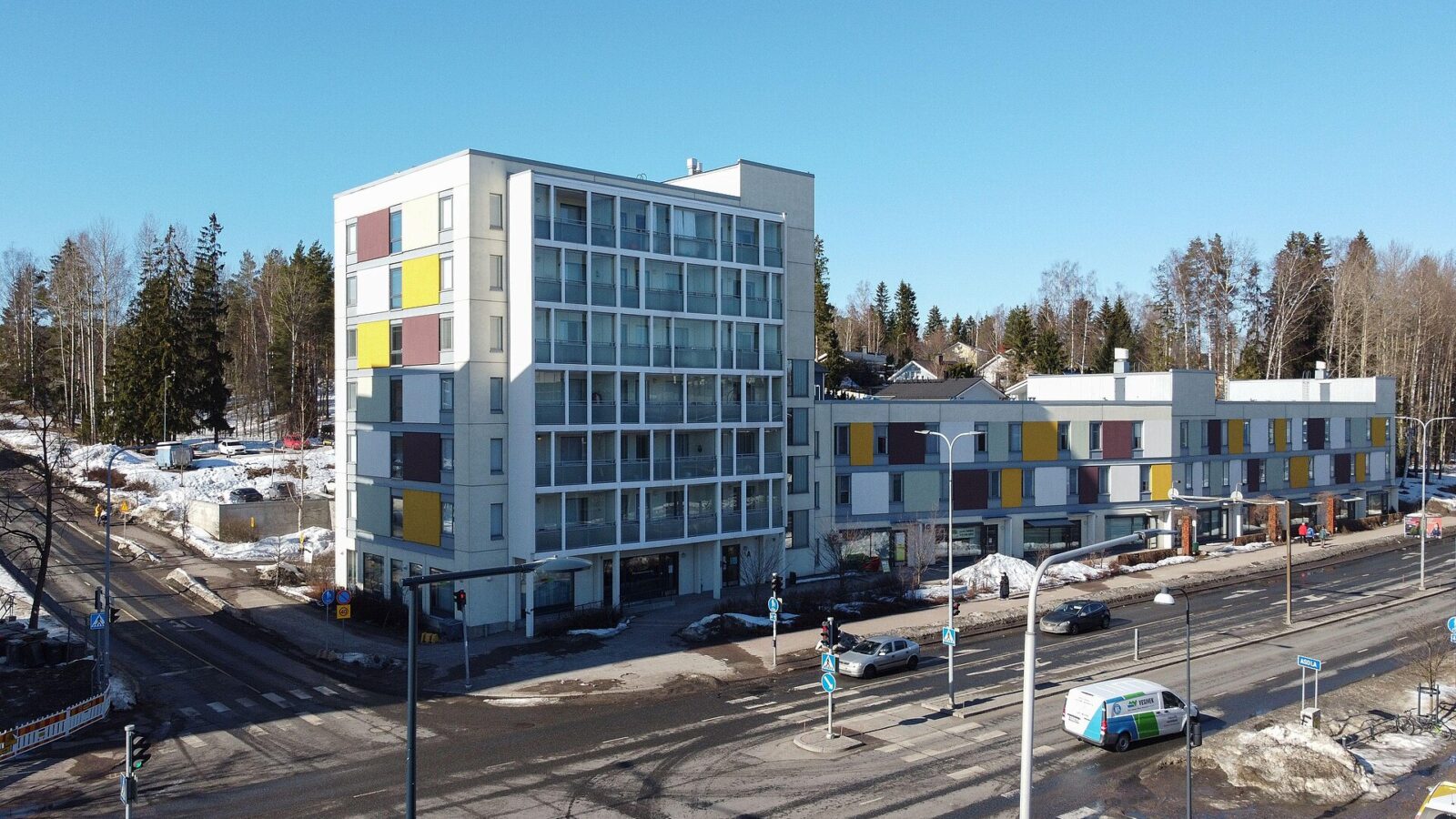
Right-of-occupancy housing (asumisoikeusasunto, ASO) is a state-supported form of housing in Finland, between renting and owning. About 1.5% of Finnish households live in ASO homes. The idea is simple: when you move in, you pay a one-off right-of-occupancy fee and then a monthly charge — and in return you receive a permanent right to live in a home owned by a right-of-occupancy community. The home never becomes yours, and you cannot buy it later.
What does an ASO home cost?
The costs come in two parts:
- The right-of-occupancy fee is 15% of the home’s acquisition price (10% in the earliest buildings from the 1990s). The rest of the construction was financed with a state-supported loan. Example: if a home’s acquisition price is €250,000, the fee is €37,500. Many people finance the fee with a bank loan.
- The monthly charge (käyttövastike) is cost-based and covers loan servicing, maintenance, repairs and insurance. By law it may not exceed the average rent of comparable free-market rental homes in the area, and in practice it usually stays below market rent. The charge varies by building, so there is no single typical figure.
What happens to your money when you move out?
When you give up the home, the community redeems your right of occupancy and refunds your fee adjusted by the building cost index. No interest accrues on the fee, and you do not benefit from any rise in the home’s market price. The right cannot be sold freely on the market, but it can be inherited.
The queue: a number from Varke
To apply you need a queue number (järjestysnumero). Since March 2025 the numbers have been issued nationally by Varke, the central government authority for state-supported housing (previously ARA). The number is valid for 2 years throughout Finland. With a number, you apply for homes directly from the right-of-occupancy communities, and residents are selected by the lowest queue number.
Who can get an ASO home?
- You must be an adult (18+) and hold a valid queue number.
- There are no income limits.
- Applicants under 55 face a wealth test: you must not own a home or hold wealth with which you could buy a comparable home in the same area. Municipal guidance formulates the limit as wealth of at most 50% of the value of the home applied for.
- No wealth test applies to applicants aged 55 or over, or to people moving from one ASO home to another.
Permanent security — and the downsides
The right-of-occupancy contract is permanent: the owner cannot terminate it except on statutory grounds, such as unpaid charges. You can live in the home for the rest of your life, or swap to another ASO home later.
But note these downsides:
- No wealth accumulation — when you move out you only get back the index-adjusted fee.
- Your capital is tied up in the home for as long as you live there.
- Monthly charges have been rising in recent years.
- Supply comes from the existing stock — the current government has ended state support for building new ASO homes.
Frequently asked questions
Can I buy my ASO home later?
No. The right-of-occupancy community owns the home permanently, and it cannot be bought as an owner-occupied home.
How do I get a queue number, and how long is it valid?
You apply to Varke; the number is valid for two years throughout Finland.
Do my income or savings affect getting a home?
Income does not — there are no income limits. But the wealth of applicants under 55 is checked: you may not own a home or hold wealth above 50% of the value of the home applied for.
Do I get my fee back if I move out?
Yes. The community refunds the fee adjusted by the building cost index — without interest and without any market-price gain.
Can the right of occupancy be inherited?
Yes, the right of occupancy can be inherited.
Sources
- Consumers’ Union of Finland (Kuluttajaliitto): guide for right-of-occupancy residents (checked 22 November 2026)
- Varke (central government authority for state-supported housing): queue numbers (checked 22 November 2026)
- Municipal guidance on ASO applications and wealth limits (checked 22 November 2026)
Information checked on 22 November 2026.
Read also


Read next in the same section
Guarantee vs. Defect Liability in Finland: Why an Expired Guarantee Doesn’t End Your RightsReport an error · Discuss on Facebook @arkisuomi
Publisher: Arki Suomi · About us and the newsroom · Contact