
Seeing a Doctor in Finland: Public Healthcare, Occupational Health, Private Clinics and Costs
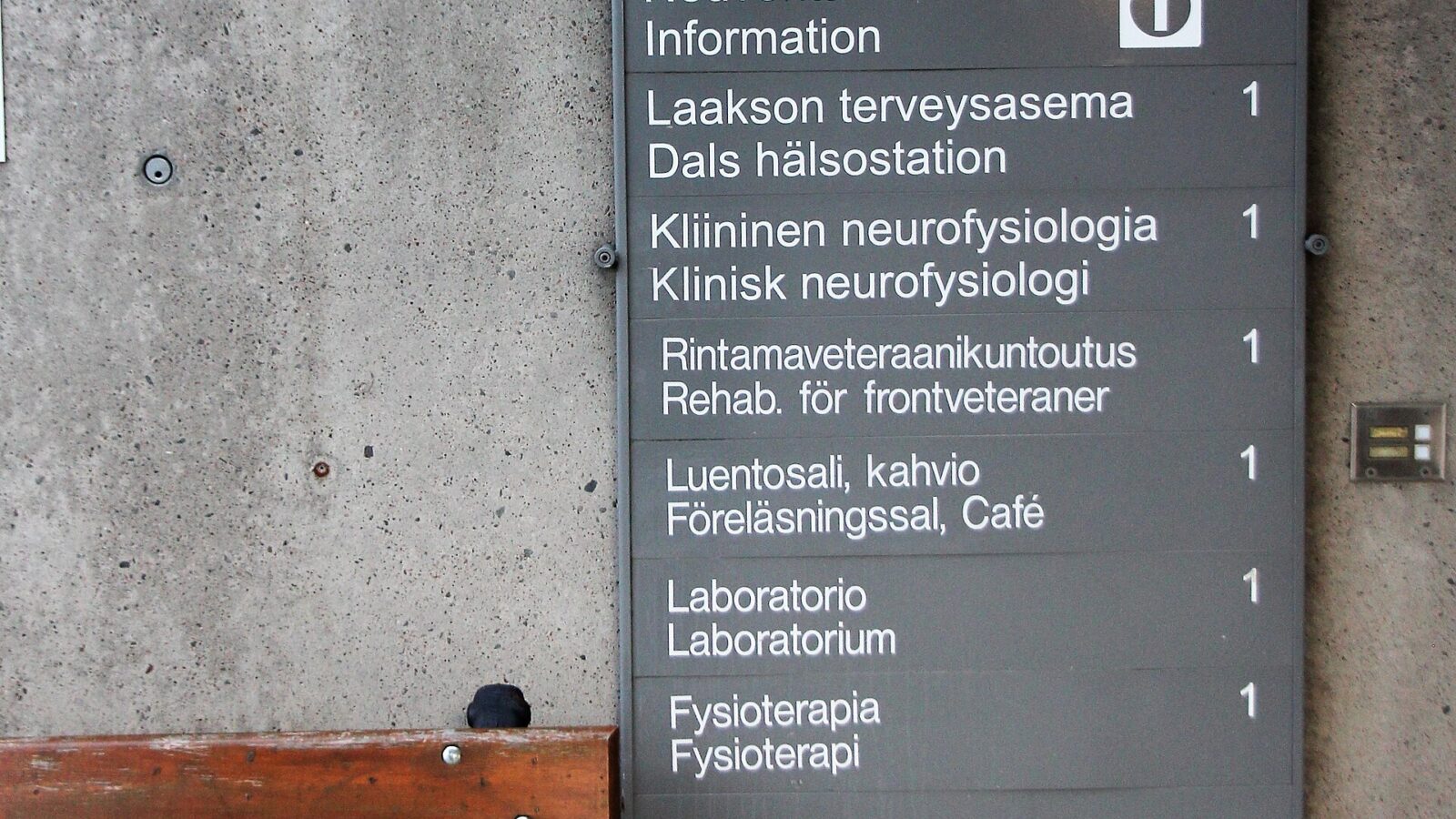
If you have recently moved to Finland, getting medical care is usually straightforward once you know which service to contact. If you have a registered municipality of residence (kotikunta), your local public health centre (terveysasema) is normally your first stop for everyday health problems.
Finland also has employer-provided occupational healthcare and private medical clinics. The costs, waiting times and services available to you depend on your circumstances. In an emergency, however, you can receive urgent treatment regardless of your residence status.
In a nutshell
- Public healthcare: if you have a municipality of residence in Finland, you can use public health services for relatively low fees.
- Occupational healthcare: employers must provide preventive healthcare for employees. Many also cover ordinary doctor’s appointments.
- Private clinics: you can usually book directly, without a referral, but appointments cost considerably more.
- Emergencies: call 112 for life-threatening situations. Urgent treatment is available regardless of your residence status.
- Check your eligibility: your municipality of residence and any healthcare entitlement confirmed by Kela determine which public services you can use at the normal client fee.
1. Emergencies: when to call 112
If someone has a life-threatening condition, such as severe breathing difficulties, symptoms of a stroke, serious chest pain or a major injury, call 112 immediately.
Finland’s emergency departments are called päivystys. They treat patients who need urgent medical attention, including people who do not have a Finnish municipality of residence or Finnish health insurance.
You do not need to pay upfront before receiving necessary emergency treatment. However, you may receive a bill afterwards, and the amount depends on your healthcare entitlement.
For an urgent medical problem that is not life-threatening, call 116117, the Medical Helpline (Päivystysapu), before visiting an emergency department. The service helps you decide whether to seek immediate treatment or wait until your health centre opens. It operates throughout mainland Finland, but not Åland.
2. Public healthcare: your local health centre
Finland’s public healthcare services are mainly organised by regional wellbeing services counties (hyvinvointialueet). Helsinki organises its own services.
If you have a municipality of residence, you can normally receive primary healthcare through your assigned health centre.
How to book an appointment
You can usually contact your health centre by telephone or through your area’s online healthcare service.
When you describe your symptoms, a nurse or another healthcare professional assesses how urgently you need treatment. This process is called hoidon tarpeen arviointi, or assessment of the need for care.
Depending on your condition, you may receive advice, a nurse’s appointment, a doctor’s appointment or a referral for further examinations.
Not every problem requires a doctor. Nurses handle many routine health concerns and help arrange additional treatment when necessary.
How much does public healthcare cost?
Public healthcare is heavily subsidised, but it is not always free.
Most wellbeing services counties charge a relatively modest fee for an adult’s appointment with a health centre doctor. Some services and appointments are free, and local charging practices differ. For example, Helsinki does not charge for ordinary health centre doctor visits.
There are legal limits on many public healthcare fees, including an annual payment cap for certain services. Not every healthcare expense counts towards that cap.
For current prices, check your wellbeing services county’s official client fee list (asiakasmaksut). Residents of Helsinki should check the city’s healthcare fee information.
Prescriptions and medicines
Finnish doctors normally issue electronic prescriptions (e-resepti), which pharmacies can access electronically.
You can view your prescriptions in MyKanta (OmaKanta) once you have the required digital identification. Medicines may have separate costs, with possible Kela reimbursements depending on your eligibility.
3. Occupational healthcare: if you have a job
If you are employed in Finland, your employer must arrange preventive occupational healthcare (työterveyshuolto).
This includes services connected with workplace health, safety and your ability to work.
Many employers also provide general practitioner-level medical care, which can make occupational healthcare the quickest option when you become ill.
However, employers are not legally required to cover every ordinary illness or doctor’s visit. The exact services depend on your employer’s occupational healthcare agreement.
Ask your employer or HR department:
- Which occupational healthcare provider should I contact?
- Does my coverage include ordinary doctor’s appointments?
- Are laboratory tests, specialist appointments or mental health services included?
Services covered by the employer’s agreement are normally free to the employee. If you are self-employed, occupational healthcare arrangements are different, and you generally need to organise them yourself.
4. Private healthcare: faster access, higher prices
Finland has several large private healthcare providers, including Mehiläinen, Terveystalo and Pihlajalinna.
You can usually book a private general practitioner directly online or by telephone. Many specialists also accept direct bookings without a referral.
Private appointments can be convenient when public waiting times are long or you need an appointment outside normal working hours.
However, the total bill may include the doctor’s fee, clinic charges and additional examinations.
If you are covered by Finnish national health insurance, Kela may reimburse a limited part of the private doctor’s fee. Certain examinations and treatments may also qualify, but reimbursement rules are specific, and many tests are not covered.
For most ordinary private GP appointments, Kela’s reimbursement covers only a small fraction of the price.
Before booking, ask for the total estimated cost, including any additional charges and the amount remaining after reimbursement.
5. Who is entitled to healthcare in Finland?
Your right to public healthcare at the normal resident price depends primarily on whether you have a Finnish municipality of residence or another recognised entitlement to medical care.
If you have a municipality of residence: you can normally use public healthcare on the same terms as other residents. You do not need a Kela card simply to establish that right.
If you do not have a municipality of residence: you may still qualify for public healthcare at resident prices, for example through employment or international healthcare arrangements. Kela can assess your entitlement and issue a certificate where applicable.
If you are temporarily visiting from another EU or EEA country: a valid European Health Insurance Card (EHIC), issued by the country responsible for your healthcare, generally allows you to receive medically necessary public treatment under the same charging conditions as local residents. The EHIC is not a substitute for arranging healthcare entitlement when permanently relocating.
If you have no recognised entitlement: you may have to pay the full cost of treatment, including non-urgent care where it is available. Emergency care remains accessible, and some groups have additional rights to necessary treatment.
Kela’s health insurance decisions also affect reimbursements for private healthcare and medicines. These are related to, but not identical to, your right to use public healthcare.
6. Other practical things newcomers should know
Dental care
Dental services are organised separately from ordinary doctor’s appointments.
If you have a municipality of residence, you can use public dental services. Appointments are usually arranged through a separate dental booking service, and waiting times for non-urgent treatment can be long.
Language and interpreters
Healthcare services are generally provided in Finnish or Swedish, although many professionals also speak English.
If you need an interpreter, mention this when booking. Public healthcare providers can arrange interpretation when appropriate, but availability and entitlement depend on the situation.
MyKanta: your digital health records
MyKanta (OmaKanta) is Finland’s national service for viewing medical records, prescriptions and many laboratory results.
You need a Finnish personal identity code and strong electronic identification, such as suitable online banking credentials, to log in. The web service is available in English.
Remember to bring identification, information about your current medicines and relevant medical documents to your appointments. If you cannot attend, cancel in good time to avoid a possible missed-appointment fee.
Frequently asked questions
Can I visit a doctor without a Kela card? Yes. If you have a municipality of residence, you can generally use public healthcare without a Kela card. Other recognised healthcare entitlements may also give you access.
Do I need a referral to see a specialist? Public specialist healthcare generally requires a referral from a doctor. Private specialists often accept direct appointments, although referrals may be needed for certain examinations or treatments.
What if I become ill at night or during the weekend? For life-threatening emergencies, call 112. For urgent but non-life-threatening problems, call 116117 on mainland Finland. For problems that can safely wait, contact your health centre during its opening hours.
Where to check official information: Kela for healthcare entitlement and reimbursement rules, InfoFinland for newcomer guidance, and your wellbeing services county’s website for local appointments, fees and waiting times.
This article provides general information about healthcare in Finland. It is not medical advice. Healthcare eligibility, reimbursements and fees can change, so check the latest official guidance for your circumstances.
Lähteet: Kela: Kela card
Read also


Read next in the same section
Your First 30 Days in Finland: A Checklist for NewcomersReport an error · Discuss on Facebook @arkisuomi
Publisher: Arki Suomi · About us and the newsroom · Contact