
Guarantee vs. Defect Liability in Finland: Why an Expired Guarantee Doesn’t End Your Rights
Your washing machine breaks down after a year and a half, and the shop tells you: “Sorry, the one-year guarantee has expired.” Many people pay for…
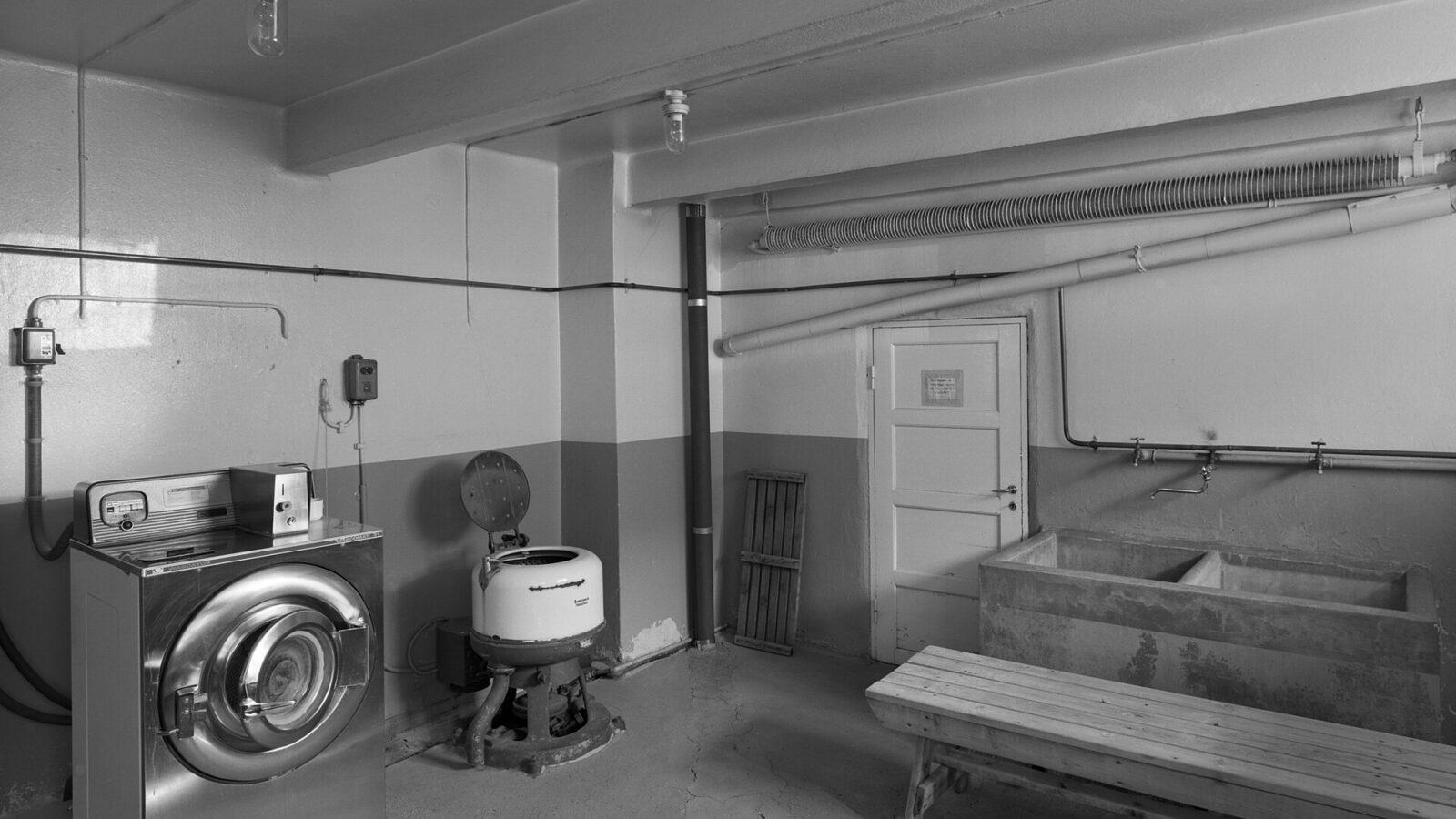
Your washing machine breaks down after a year and a half, and the shop tells you: “Sorry, the one-year guarantee has expired.” Many people pay for the repair themselves — even though Finnish law is on the buyer’s side. In Finland a seller’s responsibility does not end on the date printed on a guarantee slip, because a guarantee and statutory liability for defects are two different things.
Guarantee and defect liability side by side
| Guarantee (takuu) | Statutory liability for defects (virhevastuu) | |
|---|---|---|
| Legal basis | A voluntary extra promise by the seller, importer or manufacturer | Consumer Protection Act, chapter 5 (statutory) |
| Mandatory? | Voluntary | Always applies when a consumer buys from a business |
| Duration | Set by the guarantor (e.g. 1 or 2 years) | No fixed time limit — determined by the product’s expected lifespan |
| Contract terms | Must not reduce statutory rights; must be a genuine extra benefit | Cannot be limited by contract |
Statutory liability for defects comes from the Consumer Protection Act and always applies when a consumer buys from a business — its protection cannot be reduced by contract terms. A guarantee is a voluntary commitment on top of it, and it must give the buyer a genuine additional benefit. Statutory defect liability must not be marketed as a guarantee.
What counts as a defect?
Goods are defective if they do not match what was agreed or what a consumer can reasonably expect. Durability is part of the assessment: a product must last as long as a comparable product can reasonably be expected to last. The seller is liable for a defect that existed at delivery, even if the fault only shows up later.
Defect liability has no fixed time limit
Finnish law sets no fixed duration for defect liability — not two years, not any other period. Liability is assessed case by case from the product’s expected lifespan, taking into account its price, quality, purpose and marketing. If a latent manufacturing defect appears in a durable appliance after a shorter guarantee has expired, the seller can still be responsible for it. An expired guarantee does not end defect liability.
The 1-year presumption
- Within 1 year of delivery: if a defect appears within a year, it is presumed to have existed at delivery. The seller must prove otherwise — for example that the fault was caused by misuse.
- After 1 year: the consumer must be able to show the problem is a defect rather than normal wear or misuse.
What happens during a guarantee period?
During a guarantee period, deterioration of the goods counts as a defect under the Act unless the guarantor proves it was caused by an accident or misuse. In practice, the consumer generally only needs to show the product broke in normal use.
Remedies, in this order
- Repair or replacement — the first remedy. Free of charge, within a reasonable time and without significant inconvenience to the buyer. The seller bears the costs, including necessary transport or postage.
- Price reduction or cancellation — if repair or replacement is impossible or not done within a reasonable time. Cancellation requires that the defect is not minor.
- Damages — compensation can also be claimed for damage caused by the defect.
Complain to the seller, in time
Report the defect to the seller — the shop you bought the item from — not the manufacturer. A guarantee claim goes to whoever gave the guarantee. You must notify the seller within a reasonable time after discovering the defect; a notification made within 2 months of discovery is always in time. Complain in writing so you can prove it later. If an inspection shows the product is not defective, a reasonable inspection fee may be charged only if this was made clear in advance.
Free help with a dispute
- The consumer advisory service (Finnish Competition and Consumer Authority, KKV) gives free guidance and mediation help.
- The Consumer Disputes Board (kuluttajariitalautakunta) issues recommendations free of charge if negotiation fails.
Used goods and private sellers
Used goods bought from a business are also covered by defect liability — the expected lifespan is simply shorter than for a new product. Buying from a private individual, however, is not a consumer sale, and the Consumer Protection Act does not apply.
Frequently asked questions
Does defect liability last two years in Finland?
No. The law sets no two-year or other fixed time limit — liability depends on the product’s expected lifespan.
Can a shop refuse because the one-year guarantee has expired?
No, not if the problem is a defect. An expired guarantee does not end defect liability if the product should have lasted longer.
Who pays the postage when a defective product is sent for repair?
The seller covers the costs of remedying the defect, including necessary transport and postage.
How quickly must I report a defect?
Within a reasonable time after discovering it. A report made within 2 months of discovery is always in time.
Does defect liability cover goods bought from a private person?
No. The Consumer Protection Act only covers sales where the seller is a business. Used goods bought from a business are covered.
Sources
- Finnish Competition and Consumer Authority (KKV): guarantee and liability for defects (checked 22 November 2026)
- Consumer Protection Act (38/1978), chapter 5
Information checked on 22 November 2026.
Lähteet: KKV: Guarantee and consumer protection · Finlex: Consumer Protection Act
Lue myös


Lue seuraavaksi samasta osiosta
Student Healthcare Fee in Finland 2026: Amounts, Due Dates and How to PayIlmoita virheestä · Keskustele Facebookissa @arkisuomi
Julkaisija: Arki Suomi · Tietoa meistä ja toimituksesta · Yhteystiedot